FEBRUARY
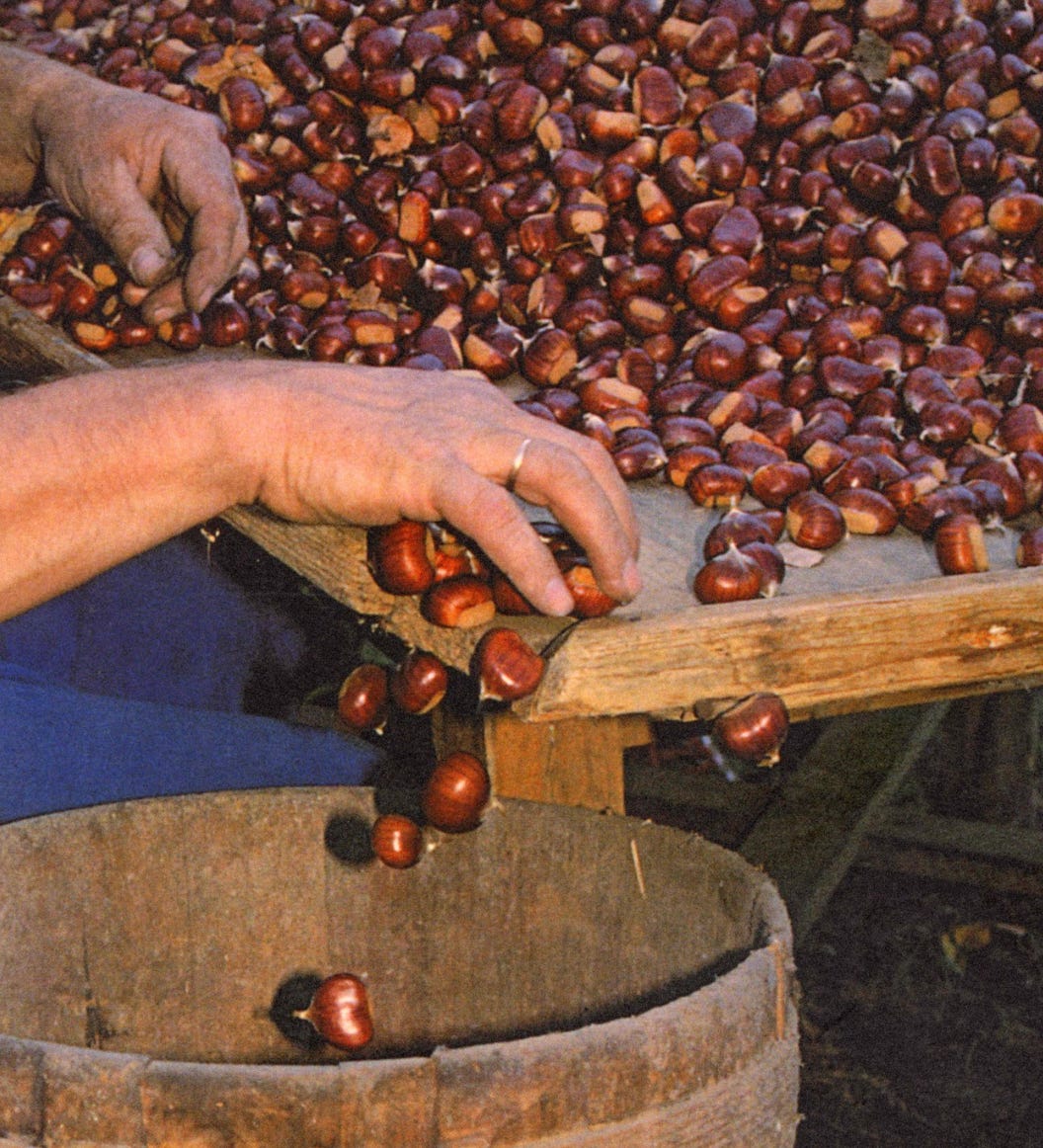
The American Chestnut



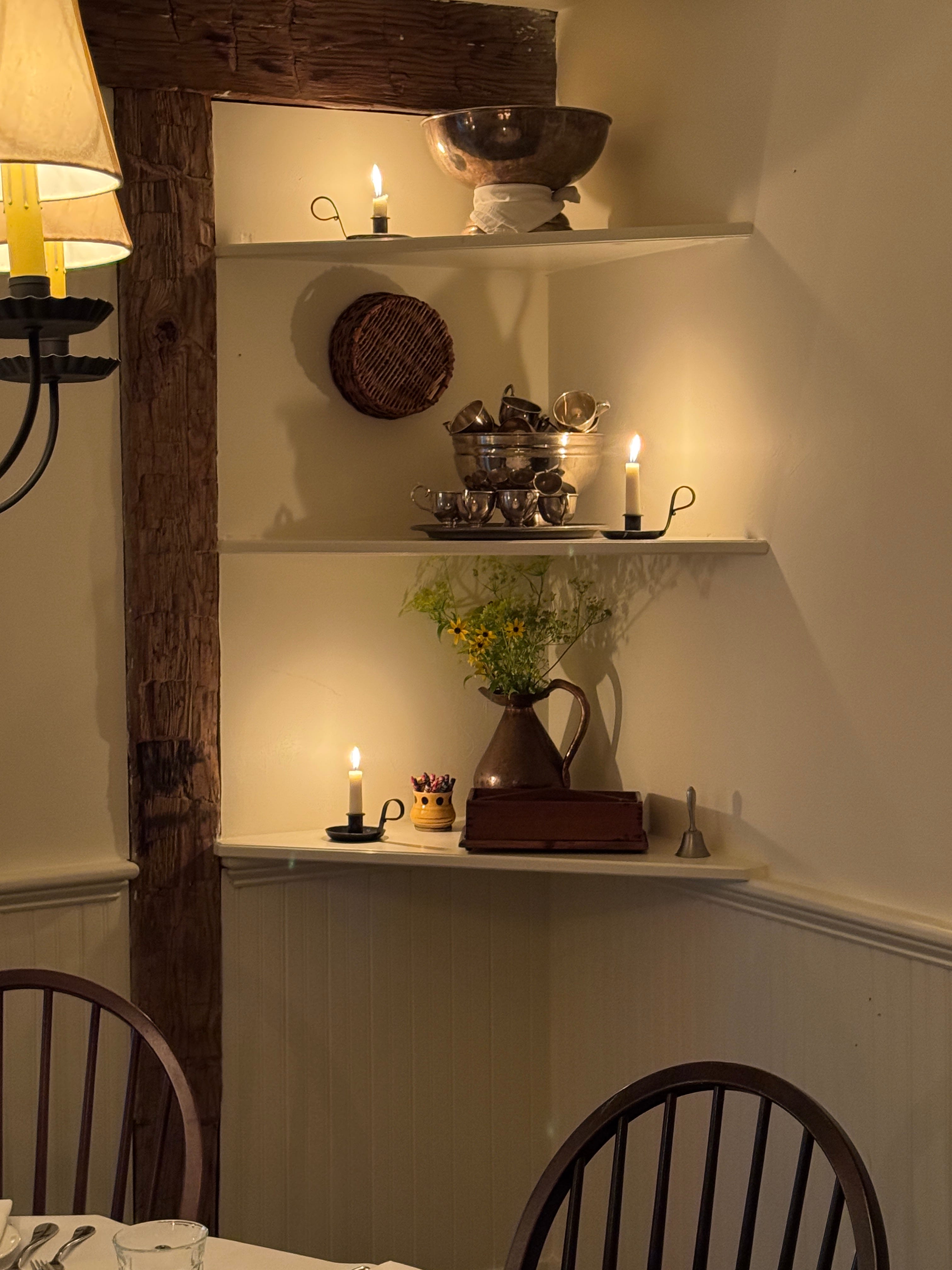
Feast in the Punch Bowl. If you’ve ever wondered what happens in the candlelit room at the bottom of the stairs, let us tell you about our Punch Bowl: it’s a space to fill (or overfill) with your friends, for family-style feasts and punch when you arrive. We’ll plan the menu around the season and fill the table with fishes, vegetables and fowl, giant cakes and cobblers, too.
Book for 6-10 (or squeeze a couple more) with madison@stissinghouse.com

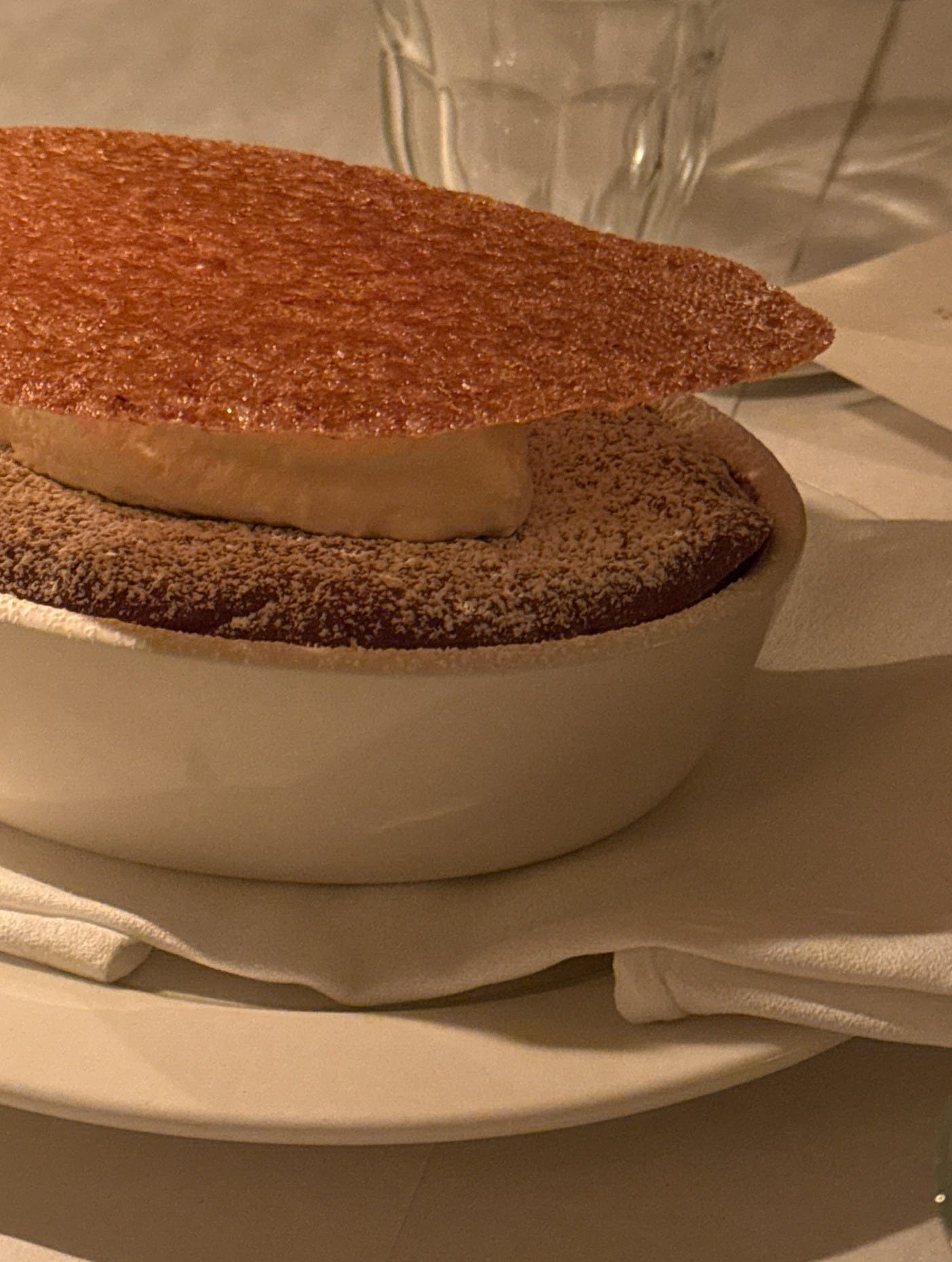
Our Hot Chocolate Chestnut Pudding uses two kinds of chestnut flour from Breadtree Farms. The finely milled chestnuts bring a creamy texture to the pudding, and the coarsely milled flour makes an incredible crunch..
Rebecca first started thinking about a chestnut dessert while participating in The Great Community Bake Sale. After tasting a chestnut crème from The Great Chestnut Experiment and loving its flavor, she adapted our recipe from Ballymaloe Desserts: Iconic Recipes & Stories from Ireland using Breadtree’s regenerative flour. We serve it topped with a large spoonful of peppermint whipped cream and a brandysnap-esque chestnut wafer.
If you’d like to try baking with chestnut flour, Clare has shared her recipe for Nutty Brownies made with Breadtree’s finely milled flour on The Best Bit.

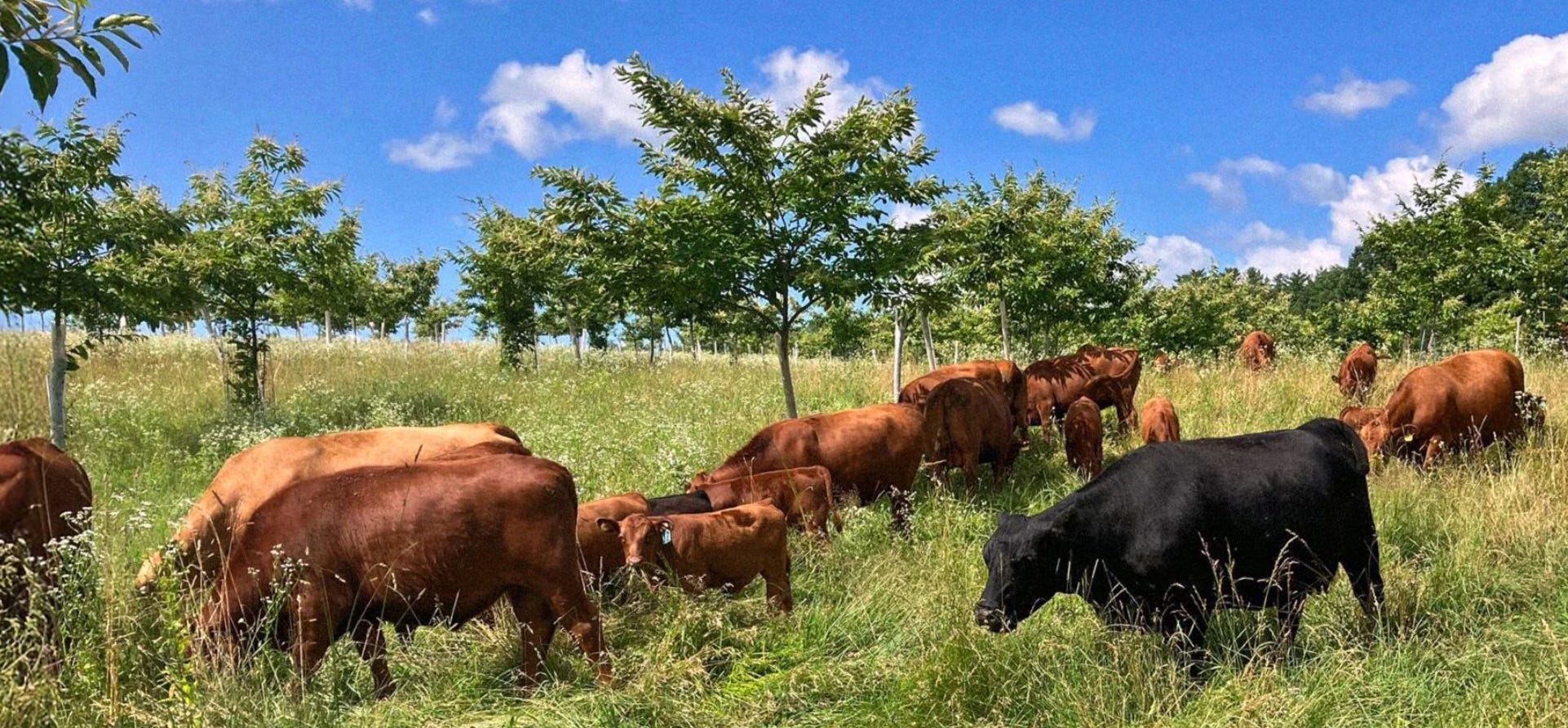
An interview with Russell Wallack from Breadtree Farms.
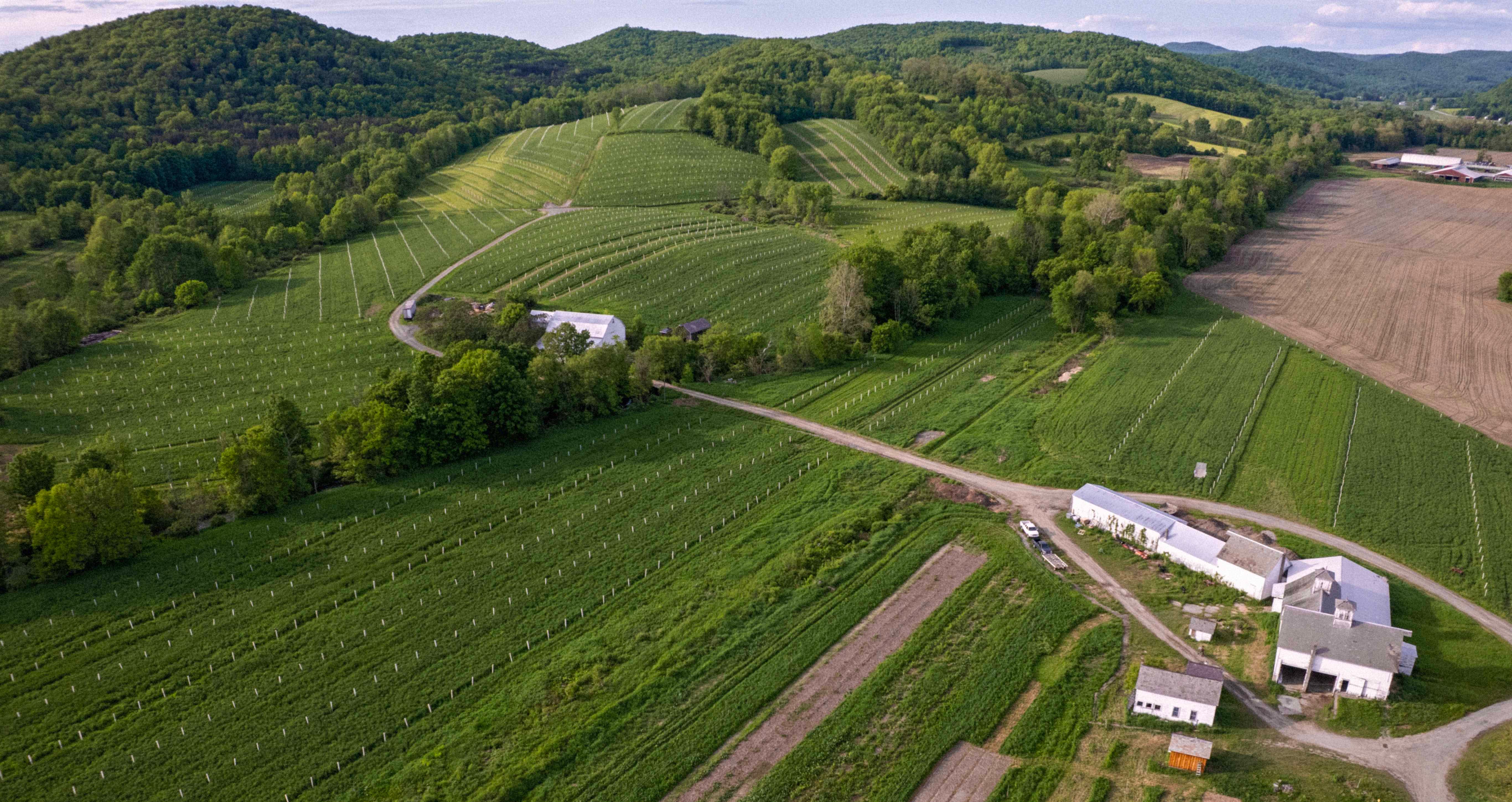
If you haven’t yet ordered our chocolate pudding with a chestnut snap gracefully perched on a spoonful of peppermint whipped cream, run, don’t walk. The chestnut snap is made of chestnut flour from Breadtree Farms, founded in 2019 by Russell Wallack. Breadtree is on a mission to do what cultures around the world have been doing for millenia–create thriving agroforestry ecosystems, and feed people through staple tree crops in the process, a once somewhat novel idea in our northeastern climate. Russell says, “If we just reforest farmland in the northeast, but we don’t continue to produce food here, all we’re really doing is outsourcing where our food comes from–California, Florida, etc. But if we identify tree species that we invest in as food-producing and habitat-creating, we can still have that agricultural production while achieving many of the forest’s ecological benefits — reducing erosion, sequestering carbon, and cleaning our water.”
Curious about the role that trees could play in our agricultural system, Russell first worked for, and consulted, other businesses on agroforestry, before deciding that the only way to prove his concept was to do it himself–starting with a small 8 acre lease and a lot of credit card debt. The next step in Breadtree’s growth was Noah Simon joining Russell as partner in 2021, and to support the purchase of Breadtree’s first farm. Breadtree now manages over 800 acres and has a team of 11 people. Acknowledging the prohibitive cost of owning all of the land directly, they also work with investors and non-farming landowners who hire them to plant and manage these ecosystems as a service.
Breadtree Farms approaches this work with ecological values, a keen business sense, and a lot of gratitude for the many people and organizations helping to move these ideas forward–including the USDA who funded Expanding the Market for Organic Chestnuts in the Northeast US. There is, and will be, an abundance coming out of Breadtree’s organically managed ecosystems: lambs grazed under chestnut, hickory, and oak trees; chestnuts milled into gluten-free chestnut flour; hickories pressed into culinary oil; acorns for acorn flour and eventually oil; plus maple syrup and honey. But it’s the way that people engage with the culture and create community around their products–like a friend who hosts a monthly necci breakfast–that feels most meaningful. Read on for our conversation with Russell where we talk about trees and their economic and human impact.
What’s your earliest, most formative memory of trees? And can you pull a thread, however nonlinear, from that memory to the founding of Breadtree?
My earliest and fondest memories of trees are of climbing in them. And in being in them, somehow feeling more like myself, more alive. How does that connect to Breadtree?
Humans have partnered with trees for millenia to co-create ecosystems that sustain human and more than human life. We know that every ecosystem needs healthy perennial plant communities to thrive, yet often in contemporary American agriculture we have removed these plants from the landscape. Broadly speaking, this pattern of removing trees, shrubs, and perennial grasses from the landscapes increases rates of erosion and soil loss, leaching the land of life-giving nutrients and soil biology (think dust bowl), it dirties our waterways with this sediment, it releases greenhouse gases into the atmosphere, it destroys habitat that supports healthy ecologies, and over decades and centuries it undercuts the vitality of rural communities.
Breadtree is working with food producing trees in agricultural systems to reverse these effects. At a personal level, this work reconnects us to how much value humans can bring to a place.
What does Breadtree mean to you, personally, and in the broader sense of positively impacting the evolution of food systems?
In many places around the world, many species of chestnuts have been key to the sustaining of human culture. This is why they are known as the Bread Tree, or the tree of bread. Sustenance is the core of our work. Whether it is chestnut flour, acorn flour, hickory oil, maple syrup, or apple cider vinegar, we are working to make it possible for people in our region to source pantry staples from trees and shrubs who thrive in our region.
If you mean, what does Breadtree Farms mean to me personally, it means more than I can fit in this space. Breadtree is so much more than me, and that has been a gift. When I started it, I really thought I’d be mostly alone in a field for the next 10-15 years. What Breadtree has grown to become since Noah Simon and Bug Nichols joined in 2021 is more than I ever could have imagined. It now is far more reflective of the thinking and spirit of all 11 of us than it is of me. I love that today it is its own organization, not tied to any single individual, and that we can see how the path forward is created by all of us.
You’ve consulted internationally with multi-billion dollar food supply systems, advised the European Commission on regenerative agriculture policy, and worked with leading regenerative agriculture organizations to impact thousands of acres–what does it mean to you to bring this kind of work home to the region where you were born and raised?
It means everything. I got to a point where I realized I’m a bit too bullheaded to spend my life trying to convince other people of what I thought the world needed. Starting Breadtree was the culmination of me realizing that there was this amazing but niche body of work around chestnut production in the U.S., and that what the growth of this work needed was not advocates, but practitioners. There is only so much power in telling people you think it’s a good idea, if you cannot show them that it works, and in my experience this is especially true for farmers, for good reason.
You said that you don’t see Breadtree’s pantry staples (chestnut flour, hickory oil, etc.) on the shelves of every grocery store in America–more that you want to get these staples into the hands of people who want to buy into the Breadtree culture. What kind of culture are you creating? And how do you see it proliferating?
To clarify, it’s not that we are opposed to seeing these foods proliferate nationally. It’s more that we see how small these industries are today, and we know we can learn important lessons from other crops and food products that rushed towards growth, venture-backed speculation, and ultimately bubble-economics. In the next 5 years, our goal is less about maximizing the number of acres planted, and more about building the depth of experience that people have with the foods, cultural traditions, and places we are co-creating with a larger group of farmers, chefs, bakers, and eaters in this region.
Bug Nichols on the Breadtree team–along with Elodie Eid, Antonia Mompalao and Ben Crockett–co-organized the Hudson Valley Nut Fest last year and nearly 1,000 people came out to learn about the abundance of nut trees in this place. Folks drove from all over the northeast (Maine to Philadelphia) just to come experience this growing culture.
We had folks at markets this year telling us about their nonna’s chestnut flour cakes, or at the depth of flavor in our lamb ragout served over chestnut polenta. We are honored that we get to work with foods that have deep cultural lineages, and also to think about how those lineages can re-emerge in a new context here in the northeast U.S.
You talked a lot about the realities (i.e., hard work) and financial challenges of farming, and said that an important part of your work is to create a roadmap for other people interested in creating these ecosystems. Why is it important to you to help educational and financial resources flow to other farmers in the region?
Until I was a farmer, I really did not realize how hard the economics of farming are. Nearly every farmer I know who owns land is able to do so only because they either inherited the land or inherited the wealth to buy land. The other semi-common path towards secure land tenure is through a non-profit structure where the purchase was subsidized by charitable donations, but the farmer will never fully partner in the equity they are creating on that land. If these are the only pathways towards secure participation for young and beginning farmers, it becomes a self-selecting system of who gets to grow food. This is not a functioning market or system.
According to the USDA in 2023, 77% of farm household incomes do not come from farming (off-farm jobs). Imagine if we had an electrical system in which 77% of the income of engineers who worked at power plants came from their second job. We’d be a lot more worried about our electrical grid, I’d think.
This system cannot continue to work as it does. So, as young farmers who have learned from a thousand costly mistakes, our team feels a responsibility to document and share these learnings. As a group of folks who are privileged to have financial literacy, and know how to evaluate business models and financial implications, we feel an obligation to speak frankly on what we see working and not working. And as folks who have used our skillset to build partnerships with private funders, we feel obligated to help other farmers understand their options. I suppose, in short, it feels important to us because we care about the well-being of other humans.
How do you balance ecological ideals with practical challenges, like deer pressure, scale, and cost?
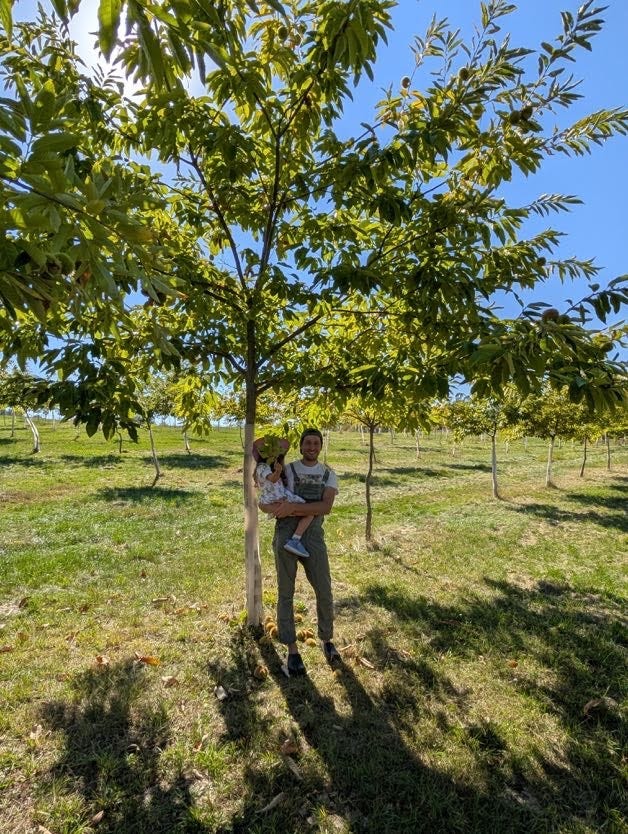
We take a very practical approach to managing our farms. At the end of the day, if it doesn’t produce food that we can sell, it won’t be sustainable. That said, we have the benefit of having grown our business with capital partners who are well-aligned in long-term goals, and who are patient enough to allow us to experiment with more ecological approaches to agronomy. We are not saddled with the unsustainable debt loads that often force our fellow farmers into challenging decisions.
A key to our ability to balance our ecological ideals and practical challenges is our willingness to experiment. Some of the ways we’re managing our orchards towards biodiversity include:
We intentionally plant highly diverse (30-70 species) pastures to contribute to the health of our soils, and create more diverse habitat for birds, beetles, caterpillars, and pollinators.
We mow and graze in ways that always allow some portion of the herbaceous layer to fully express its annual lifecycle and contribute both to the seedbank and to the quality of habitat for insects and birds.
Beyond organic chestnuts, we also grow a number of other tree and shrub crops, including hickory, oak, seaberry, walnut, apple, pear, peach, mulberry, and persimmon. Some of these species — e.g. oak and hickory — are literally keystone species of the Eastern U.S., and provide habitat to more wildlife species than any other known host species.
We manage all of our orchards “beyond organic”, with no toxic chemicals, enabling much more wildlife activity within the agricultural landscape.
We intentionally plant seedlings rather than clones, in the case of all tree crops where doing so is commercially feasible. This means most of our orchards are composed of thousands of genetic individuals, rather than thousands of clones of a handful of individuals (as is the case with most commercial tree crops).
We graze multiple species of animals in orchard silvopasture, and keep honeybees.
We are experimenting with interplanting strategies that organize multiple perennial tree and shrub crops together in complementary relationships, in shared fields.
We are experimenting with a number of multistrata interplantings and companion plantings of woody support plants within our orchards, for yields and functions that include timber, nectar flow for pollinators, and winter fodder for livestock.
Tell us about the processing facility you’re building. How will it change what’s possible for you and for other chestnut growers in the region?
We’re currently developing what will be the largest chestnut processing facility in the country, designed to serve as a shared path-to-market for hundreds of other growers across the Northeast. The facility will be certified organic, located at our home farm in Salem, NY, and capable of handling between 500,000 - 1,000,000 pounds annually (the largest facility in the U.S. today is processing 100-200,000 lbs per year).
The funding we received from the USDA not only supported our ability to conduct comprehensive research in support of the facility development, but also to begin to organize a cohort of our fellow farmers in the region. We’ve provided hundreds of hours of free consultation to fellow farmers, and over 15 hours of recorded webinars and public presentations all in support of creating a thriving regional industry.
By creating this facility, and the aggregation, processing, storage and distributions systems we reduce the two key barriers to adoption for farmers new to chestnut production: 1) processing infrastructure 2) Marketing and sales. We see this as a key strategy to support other farmers to use chestnuts as a way to diversify their production. They can plant and raise trees to maturity knowing that they get to rely on our aggregation and processing network to get their crop to market both as fresh chestnuts and as gluten free chestnut flour.
QUICKFIRE
Ritual: I have a young child and another on the way, so my life is not super zen or intentional. I suppose my morning dog walk, and multiple cups of coffee a day.
Last Month in a Word: a stretch
Always: thinking
Never: bored
Best Book You’ve Read This Year: …only, I read 1929 and I’m slowly reading Seeing like a State
Favorite Pantry Staple: Maple Syrup and Carr’s Cider Syrup
Essential Resources:
Feed Us With Trees by Elspeth Hay
Tree Crops a Permanent Agriculture by J Russell Smith
Tending the Wild by M Kat Andersen
The Maya Forest Garden by Annabel Ford